Nuco Training

Category: First Aid

  • First Aid CPR guidance

    First Aid CPR guidance

    FAA have created a guidance leaflet for first aiders to reference, during the current COVID-19 pandemic.

    Because of the heightened awareness of the possibility that the casualty may have COVID-19, Resuscitation Council UK (RCUK) offers this advice if they are required to provide CPR. The leaflet can be emailed or printed and provided to your learners and clients to ensure they are fully aware of the guidance from the RCUK.

    DOWNLOAD THE FLYER

    Please also refer to the detailed guidance from the Resuscitation Council UK.

    Header image credit: Photo by CDC from Pexels

  • First Aid for Youth Mental Health qualification

    First Aid for Youth Mental Health qualification

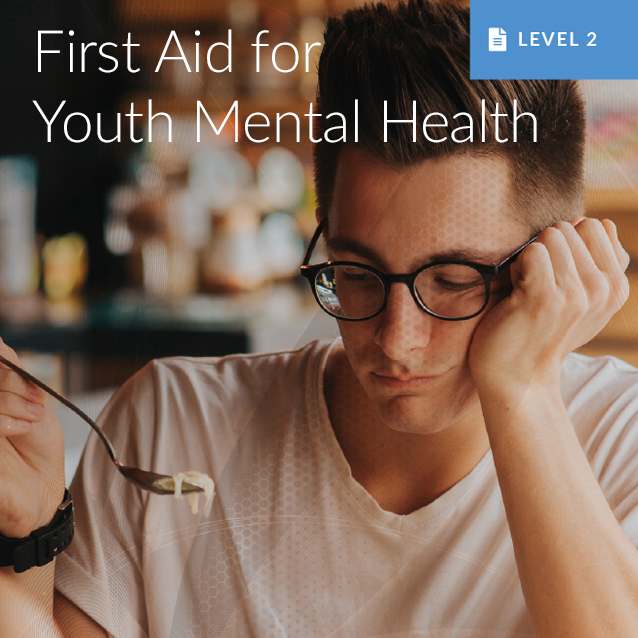
    The qualification has been designed with children and young people in mind covering areas such as depression, self-harm, eating disorders and bullying and will provide the knowledge and skills to identify a potential mental condition, start a conversation and provide support and guidance to professional help.

    The qualification is suitable for anyone who actively connects with children and young people such as parents, carers, teachers, youth group leaders and young adults.

    At present the qualification has only been approved by Ofqual but is currently going through the SQA Accreditation approval process.  We hope this will be completed in the next few weeks and will update you when this has been completed. The Ofqual regulated qualification can be delivered in all parts of the UK in the meantime, including Scotland.

    TRAINER/ASSESSOR REQUIREMENTS

    To meet regulatory body requirements, it is crucial that all Trainer/Assessors have sufficient subject knowledge competence to deliver a qualification.

    The new Award in First Aid for Youth Mental Health shares many similarities with the ‘adult’ version of the qualification, but there are some crucial differences that we must ensure are known by Trainer/Assessors before they are able to deliver the qualification.

    Current First Aid for Mental Health Trainers who want to deliver the Youth version must either:

    On receipt of either of the above, we will be able to register you to teach the new First Aid for Youth Mental Health course after completing our Registration FormThe cost for this is £50 + vat.

    QUALIFICATION INFORMATION

    Please see the links below to view the qualification information:

    COURSE PAPERWORK

    The course paperwork, together with all Guidance Documents are available in the download area of NucoPlus and it is important that Trainer/Assessors use all the FAA guidance for every course.

    ASSESSMENT

    CLASSROOM TRAINING

    The Assessment for the Classroom-based course is by a Written Assessment Paper and the practical demonstration of the application of the First Aid Action Plan for Mental Health.

    DISTANCE LEARNING

    The Distance Learning qualification is assessed through Video Conferencing software by Professional Discussion with the Trainer/Assessor and Practical Demonstration of the application of the First Aid Action Plan for Mental Health.

    Trainer/Assessors must conduct and mark the assessment adhering to the guidance to ensure that all Learners are assessed accurately, consistently and fairly.

    INSTRUCTOR TRAINING COURSE

    From 1st April 2021 our Level 3 First Aid for Mental Health Instructor Training course will include training for the Youth qualification, so after attending, a Trainer/Assessor will automatically be able to run the Youth version as well.

    If you have any questions or need any additional information, please just get in touch.

    TRAINING MANUALS

    Youth Mental Health

    We have developed a bespoke book to accompany the course which is available to purchase from our online shop at www.nucoplus.com

  • Blended (webinar) First Aid training for Nuco trained instructors

    Blended (webinar) First Aid training for Nuco trained instructors

    There are restrictions on us all, due to the ongoing coronavirus situation and limiting the contact time within a classroom can help to minimise the risks of Trainer/Assessors and learners contracting the virus.

    Because of this, we are able to allow a blended learning approach to delivering first aid. This approach involves delivery of the theoretical aspects of the qualifications through webinar software, such as Zoom.

    The Health & Safety Executive (HSE) allow blended learning for first aid, but have a number of restrictions that we must ensure are met: 

    First aid qualifications, such as the FAA Award in First Aid at Work and Emergency First Aid at Work, must have a minimum of two-thirds of the training time conducted face to face in the classroom with a maximum of one third allowed through webinar training (i.e.Emergency First Aid at Work must have a minimum of 4 hours face-to-face classroom teaching/assessment, and FAW 2 days face-to-face and one day via webinar)

    For paediatric first aid, in line with DfE recommendations, the Emergency Paediatric First Aid (6 hour) course can only be delivered face-to-face in a classroom. Blended learning is allowed for the full Paediatric First Aid (12-hour course) with a minimum of 6 hours of face-to-face classroom training required.

    To enable Trainers to meet these requirements, FAA have created guidance that states which modules can and cannot be taught through a blended learning approach.

    If you wish to adopt this method, Trainer/Assessors should approach this in exactly the same way as they would a classroom-based course, but via a webinar to the learners for the permissible time.

    Trainer/Assessors must refer to the FAA guidance and only deliver the sessions as detailed in the appropriate table.

    No practical elements can be delivered through a webinar.

    This blended learning approach reduces the time required in the classroom and therefore minimises the risks associated with coronavirus. 

    If you have any questions or need any additional information, then please do not hesitate to contact us.


  • FAA Level 2 Award in Student First Aid (RQF)

    FAA Level 2 Award in Student First Aid (RQF)

    A brand new regulated first aid qualification for students aged 11+

    THE ANNOUNCEMENT

    The Government has announced that health education will become compulsory in all state-funded schools in England from September 2020 and this includes basic first aid training.

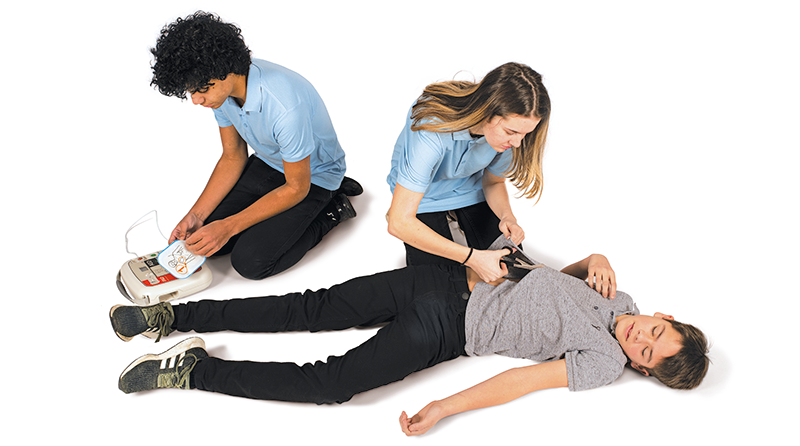
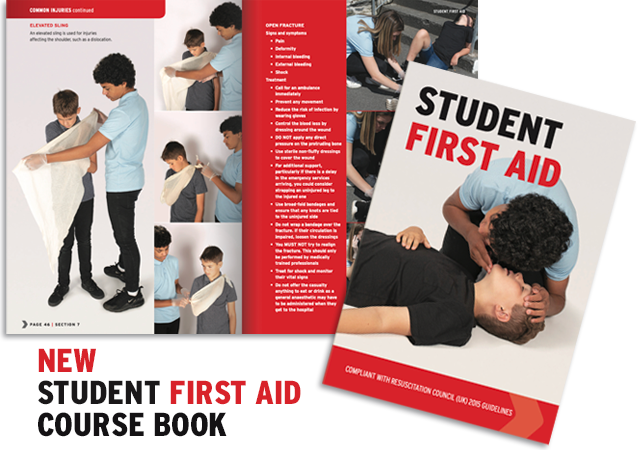
    The new 3-hour Level 2 Award in Student First Aid has been designed for key stage 3 and key stage 4 students (11+ years) and fulfils the requirements of the Department for Education in respect of first aid training.

    Not only would secondary schools meet the statutory requirements for health education, but students would also have the opportunity to attain a nationally regulated qualification, enhance their CV and develop new life skills.

    STUDENT FIRST AID QUALIFICATION PACK

    NB: Available only to Nuco Training registered First Aid Trainer/Assessors

    The Student First Aid Qualification Pack includes all the materials you will need to start offering the new FAA Level 2 Award in Student First Aid (RQF).

    Visit the course page to find out more about  this exciting new course here

    What’s included?

    Student First Aid qualification resources:

    • Student First Aid Tutor Notes in a durable folder
    • 8GB USB flash drive containing:
      • Student First Aid PowerPoint Presentation
      • Student First Aid Tutor Notes
      • Qualification documents
      • Course Information Sheet
      • Course Poster
      • Activity Worksheet
      • Promotional Flyer

    + Student First Aid modular resources:

    • 12 x Modular PowerPoint presentations and tutor notes
    • CPR Handout
    • Session Plan

    Plus a copy of the new Student First Aid Book

    Product links:

    HOW TO GET STARTED

    To add the Student First Aid qualification to your training portfolio, you must purchase the Student First Aid Qualification Pack and verify your instructor status with Nuco Training Ltd

    Step 1) Please email registrations@nucotraining.com, we will verify your Instructor Status and then send you the registration form. The price is £60.00 + P&P + VAT (£79.19 inclusive with UK mainland delivery)

    Step 2) On receipt of your completed form, we will email you a secure payment link.

    Step 3) Once we have received your payment, your Student First Aid Qualification Pack and Instructor Certifcate will be dispatched and you will be eligible to teach the new qualification.

  • First Aid for Mental Health Instructor Course

    First Aid for Mental Health Instructor Course

    The new First Aid for Mental Health instructor course is now available to book starting in January 2019.

    This 3-day course will enable you to teach the new Ofqual regulated FAA Awards in First Aid for Mental Health:

    The course is suitable for anyone with an interest in delivering the new half-day level 1, 1-day level 2 and 2-day level 3 qualifications in First Aid for Mental Health and who has an existing recognised teaching qualification.

    The course price includes all refreshments and lunch. You will also receive a USB stick with PowerPoint slides, course notes and documents for

    all 3 qualifications to aid you with the running of your own courses.

    N.B. This course does not contribute to your annual monitoring of first aid courses.

    Syllabus

    A range of subjects are covered including:

    • What is First Aid for Mental Health?

    • Stress

    • Mental health conditions

    • Drugs and substance misuse

    • First Aid for Mental Health in the workplace

    • Mental health disorders

    • Psychosis

    Qualifications you will attain from this course: (subject to assessment)

    • Instructor Certificate in First Aid for Mental Health from Nuco Training Ltd

    • Level 3 Award in Supervising First Aid for Mental Health in the workplace

    Qualifications you will be able to teach: (subject to you holding an appropriate teaching qualification)

    • Level 1 Award in Awareness of First Aid for Mental Health in the workplace

    • Level 2 Award in First Aid for Mental Health in the workplace

    • Level 3 Award in Supervising First Aid for Mental Health in the workplace

    To learn more and check our course schedules go to https://dev2025.nucotraining.com/first-aid-for-mental-health-instructor-training

    PLEASE NOTE: Nuco Training and the First Aid for Mental Health courses listed above are not affiliated in any way to MHFA England
  • Forestry First Aid (+F) for instructors

    Forestry First Aid (+F) for instructors

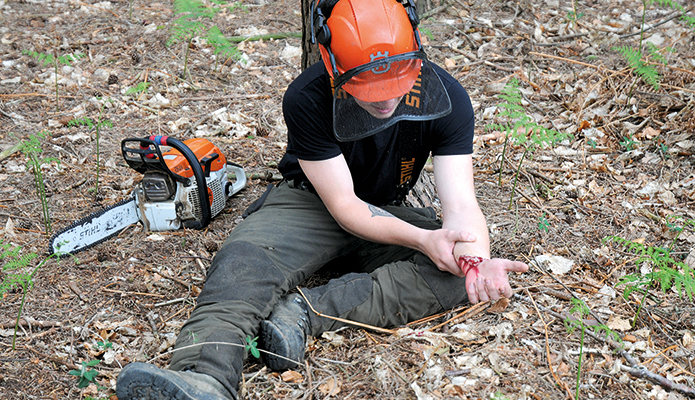
    We are pleased to announce the launch of a new regulated qualification – FAA Level 3 Award in Forestry First Aid for instructors. This is a 2-hour bolt-on course, which can be run in conjunction with either an EFAW course or an FAW course.

    In order to teach the course, you need to be a Nuco registered First Aid and Catastrophic Bleeding Control Instructor. You will then need to register as a Forestry First Aid (+F) Instructor using the Registration Form and we will issue you with a Tutor Pack, which includes the PowerPoint and Training Notes for the course and an Instructor Certificate.


  • Training Firefighters in Afghanistan

    Training Firefighters in Afghanistan

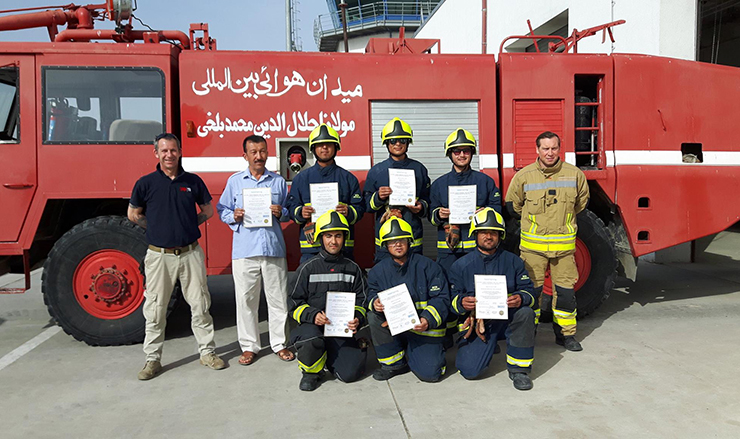
    Congratulations to the group of Firefighters in Afghanistan for achieving their FAA Level 2 Award in Emergency First Aid at Work with Nuco instructor, Richie Mackenzie.

    The courses were delivered to upskill the local firefighters as part of a rehabilitation programme – well done to all.

  • Choosing a competent first aid training organisation

    Choosing a competent first aid training organisation

    Since 1 October 2013 HSE no longer approves first aid training and qualifications – and no longer approves first aid training organisations. This means that businesses have more flexibility in how they manage their provision of first aid in the workplace.

    Nuco Training are working on updating all of the resources to meet these protocol changes. As soon as they are available, we will be notifying instructors with a link to download the latest updates to your teaching resources.

    Please click here to see the changes in full.

    The industry has until the end of December 2016 to implement all of the changes, but as industry leaders at Nuco Training, we are expecting to have all resources updated by the end of November 2015, making them available for our instructors to download and implement into training as soon as possible.

    Although the changes at first glance seem minimal, there are a lot of subtle updates to the guidance. Because of this, we are taking our time in ensuring that the changes are reflected accurately in all of our materials.

    Article courtesy of The Resuscitation Council (UK)

  • 2015 Resuscitation guidelines

    2015 Resuscitation guidelines

    The 15th October 2015 was a date of great significance for our industry, as it saw the latest protocol changes from The Resuscitation Council (UK).

    Nuco Training are working on updating all of the resources to meet these protocol changes. As soon as they are available, we will be notifying instructors with a link to download the latest updates to your teaching resources.

    Download the summary here – Please click here to see the changes in full.

    The industry has until the end of December 2016 to implement all of the changes, but as industry leaders at Nuco Training, we are expecting to have all resources updated by the end of November 2015, making them available for our instructors to download and implement into training as soon as possible.

    Although the changes at first glance seem minimal, there are a lot of subtle updates to the guidance. Because of this, we are taking our time in ensuring that the changes are reflected accurately in all of our materials.

    Article courtesy of The Resuscitation Council (UK)

  • Automated External Defibrillators on Aircraft

    Automated External Defibrillators on Aircraft

    Resuscitation Council statement …

    Airlines are required to train cabin crew in first aid and to carry first-aid kits. Since 2004, the Federal Aviation Authority has required all US commercial airlines to carry AEDs on passenger flights that are large enough to have at least one flight attendant and to train cabin crew in their use.

    The first airline to carry defibrillators was British Caledonian in 1986. Some UK-based current airlines carry AEDs, including Virgin, British Airways and EasyJet. At present there is no requirement for all airlines to carry defibrillators.

    The exact number of cardiac arrests and sudden cardiac deaths that occur each year during flights on commercial passenger aircraft is unknown, due to the absence of mandatory reporting. It has been estimated that 1,000 people die during commercial flights each year. In-flight medical emergencies during air travel have become more frequent, due to larger numbers of passengers and more frequent travel by older people and people with chronic illness. Medical emergencies have been reported to occur with a frequency of 1 per 10 – 40,000 passengers.

    When cardiac arrest occurs, any delay in starting resuscitation and in using a defibrillator to deliver a shock when needed will reduce the person’s chance of survival. Although in-flight cardiac arrest is relatively rare, survival from cardiac arrest when there is no defibrillator on board is extremely unlikely, due to the time that it takes to divert and land the aircraft to obtain the treatment needed.

    There have been several reports (series and individual case reports) of successful resuscitation of passengers during air travel as a result of prompt recognition of cardiac arrest by trained flight attendants, prompt delivery of cardiopulmonary resuscitation (CPR) and prompt use of an on-board automated external defibrillator (AED). Success rates of up to 55% have been reported in people who received prompt CPR and AED use for cardiac arrest due to a ‘shockable rhythm’ (a chaotic heart rhythm that is treatable with a defibrillator).  An AED will only save a life when the cardiac arrest is due to a shockable rhythm. These rhythms have been present in up to one third of cardiac arrests reported in aircraft passengers. Survival from an in-flight cardiac arrest that is not due to a shockable rhythm is extremely unlikely.

    Even if the cardiac arrest rhythm is not shockable, attaching an AED to a person in cardiac arrest may help to guide the further action of those attempting resuscitation.

    Unfortunately, some cardiac arrests occur when passengers are unobserved, for example when asleep or in the toilet. In such circumstances the delay in recognising the event, starting resuscitation and attaching an AED inevitably reduces the likelihood of a successful outcome.

    We recognise the importance of public-access defibrillators in improving survival from sudden cardiac arrest. These AEDs are often located in places visited by large numbers of people, one of whom may suffer cardiac arrest (e.g. railway stations, airports, shopping centres, sports venues), or in places where delay in the arrival of an ambulance could greatly limit a person’s chance of survival unless a shock is given before the ambulance arrives (e.g. rural villages, golf courses). A commercial aircraft with a substantial number of passengers on board is analogous to the rural-village example. We strongly advocate voluntary action in the public interest by all airlines to equip commercial passenger flights with an AED and train their cabin crews in recognition of cardiac arrest and delivery of immediate attempted resuscitation.

    Article courtesy of The Resuscitation Council (UK)